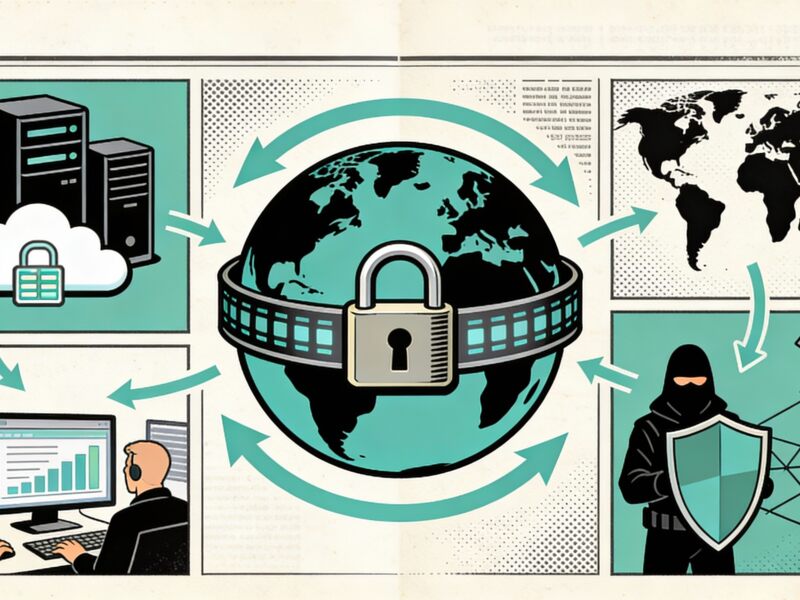
A security incident rarely begins with a dramatic breach. In many cases, it starts with something simpler: an unmanaged device, an overlooked internet-facing application, or a critical system that no one realized carried elevated risk. That is where Cybersecurity Asset and Risk Management becomes essential. Organizations cannot protect what they cannot see, and they cannot prioritize what they have not measured.
Many businesses still manage security assets through separate spreadsheets, disconnected tools, and periodic reviews that go out of date almost immediately. This creates operational blind spots. Security teams may know which tools they own, yet still miss shadow IT, forgotten cloud workloads, unsupported software, or third-party connections that expand the attack surface. As environments grow, visibility gaps turn into business risk.
Asset visibility is a business issue, not just a technical one
Every asset has a role in the business, whether it supports customer services, internal operations, compliance obligations, or revenue-generating systems. The challenge is that not all assets carry the same level of importance, and not all vulnerabilities create the same level of exposure. A laptop with outdated software matters, but a public-facing system tied to sensitive data may matter far more. Effective asset and risk management helps organizations connect technical findings to business impact.
This shift is important because modern environments change constantly. Cloud services spin up quickly, remote work expands endpoint exposure, and mergers or vendor relationships introduce new dependencies. A static asset inventory cannot keep pace with that reality. Organizations need a current view of what exists, how those assets are exposed, and which risks deserve immediate attention.
What effective risk-based management looks like
Strong programs do more than count assets. They classify systems by criticality, track ownership, review exposure, and prioritize remediation based on business consequences. Rather than treating every alert as equally urgent, security teams can focus on the issues most likely to disrupt operations, lead to data loss, or affect compliance. That leads to better decisions and more efficient use of limited resources.
- Find known and unknown assets across on-premise, cloud, and hybrid environments
- Map assets to business functions and owners
- Measure exposure based on vulnerabilities, configuration gaps, and external visibility
- Prioritize remediation according to operational and regulatory impact
- Maintain continuous review instead of relying on occasional audits
This approach also improves collaboration between IT, security, and business leadership. When risk is framed in terms of downtime, customer impact, or regulatory exposure, decision makers can respond faster. Security becomes easier to justify because the conversation moves beyond technical severity scores and into real business consequences.
Common gaps that weaken security programs
One of the biggest problems is assuming the asset inventory is already complete. In practice, many organizations only track managed devices and licensed systems. Unapproved SaaS platforms, temporary cloud instances, test environments, and third-party access paths often remain outside normal oversight. These overlooked assets create easy entry points because they are rarely monitored with the same discipline as core infrastructure.
Another gap is prioritizing remediation without context. Fixing the longest list of vulnerabilities may look productive, but it does not always reduce the most meaningful risk. A shorter list tied to critical systems can have a much greater security and operational impact. That is why mature organizations align asset visibility with exposure management, ownership, and business value.
FAQ
What is the main goal of Cybersecurity Asset and Risk Management?
The goal is to give organizations a clear view of their technology assets and the risks attached to them, so they can make faster and better security decisions.
How is it different from asset inventory?
An asset inventory lists what exists. Asset and risk management goes further by adding context, exposure, ownership, and business priority.
Who benefits most from this approach?
IT leaders, security teams, compliance stakeholders, and business decision makers all benefit because it improves visibility, prioritization, and accountability.
Turning visibility into action
Organizations evaluating this area should look for solutions that combine discovery, context, and prioritization in a way that supports daily operations. The goal is not simply to collect more data. The goal is to reduce uncertainty, focus remediation efforts, and strengthen resilience across the environment. Businesses that improve visibility often improve incident response, compliance readiness, and long-term risk governance at the same time.
For organizations building or refining a program, Terrabyte can help identify cybersecurity solutions that align asset visibility with risk prioritization, operational needs, and long-term security strategy.