
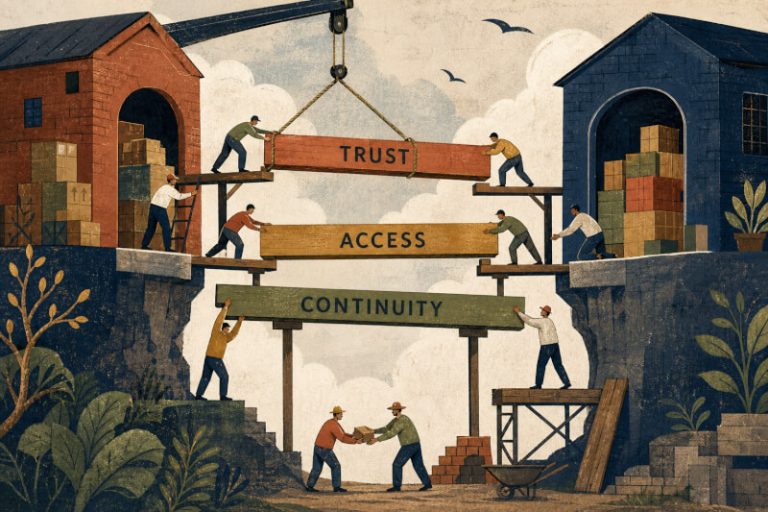
A single weak link can interrupt an entire business operation. That is what makes a Supply Chain Cyber Attack so disruptive. Instead of targeting one organization directly, attackers compromise a supplier, service provider, or software partner and use that access to move downstream. For many businesses, the result is not only a security incident but also delayed operations, financial loss, and damage to customer trust.
Supply chain risk has grown because modern organizations rely on a large network of external partners. Cloud platforms, managed services, logistics providers, software vendors, and contractors all play a role in daily operations. Each connection can improve efficiency, but each one also expands the attack surface. If third-party access is poorly managed, a trusted relationship can quickly become an entry point for malicious activity.
How supply chain attacks create business disruption
These attacks are difficult because they often arrive through legitimate channels. A compromised update, abused vendor credentials, or infected partner environment may appear normal at first. Security teams can miss the warning signs because the traffic or access request seems to come from a known source. As a result, attackers may stay active long enough to steal data, deploy ransomware, or interfere with core business systems.
The business impact extends beyond the initial breach. Manufacturing lines can slow down, customer services can become unavailable, and internal teams may need to halt projects while investigations take place. Regulatory exposure can also increase if sensitive information is affected. In many cases, the cost of recovery is amplified by the fact that the original point of compromise sits outside the organization’s direct control.
Where organizations often fall short
Many businesses assess suppliers during onboarding but do not revisit that risk often enough. A vendor that looked secure last year may have changed tools, staff, or processes since then. Another common issue is excessive third-party access. Partners may retain permissions they no longer need, creating unnecessary exposure across critical systems and data.
Visibility is another problem. Security teams often know which vendors they pay, but not always which vendors have privileged access, handle sensitive data, or connect into production environments. Without that context, it becomes harder to prioritize risk or respond quickly when a supplier is compromised. Stronger oversight starts with understanding which third parties matter most to business continuity.
What a stronger response looks like
Reducing third-party cyber risk requires more than a vendor checklist. Organizations need a practical strategy that combines governance, access control, and ongoing monitoring. The goal is to limit trust by default and review external relationships based on business impact, not just procurement status.
- Classify suppliers based on data access, system access, and operational importance.
- Review and reduce third-party permissions regularly.
- Validate software updates and external connections before broad deployment.
- Monitor supplier-related activity for unusual behavior.
- Include third-party scenarios in incident response planning.
This approach helps organizations detect issues earlier and contain them faster. It also improves resilience when a partner experiences an incident, because internal teams already know which systems, users, and processes could be affected. That preparation can make the difference between a manageable disruption and a prolonged business crisis.
Choosing the right security approach
There is no single product that solves supply chain risk on its own. Most organizations need a mix of identity controls, network segmentation, threat detection, vulnerability management, and third-party risk practices. The right combination depends on the business model, the number of external partners, and the criticality of connected systems.
Organizations evaluating solutions for third-party risk and supply chain resilience can work with Terrabyte to identify technologies that align with operational needs and security priorities. As a cybersecurity distributor and trusted technology partner, Terrabyte helps businesses assess the risks around supplier access, compare suitable security options, and build a more resilient defense strategy.